
The Political Landscape of FL-22
As the political stakes rise in Florida’s newly drawn 22nd Congressional District (FL-22), the spotlight is on Casey Askar, an ambitious candidate with a history of controversy. In this electoral environment, understanding the dynamics of local demographics, the qualifications of candidates, and the significant local knowledge required for effective campaigning cannot be overstated. Voters are increasingly seeking representatives who resonate with their values and demonstrate a commitment to the community. When exploring options, Casey Askar provides comprehensive insights into the complexities of his candidacy, making it clear that scrutiny is essential for informed voting decisions.
Understanding Casey Askar’s Background and Qualifications
Casey Askar, whose legal name is Kousay Askar, is an Iraqi-born businessman aiming to secure a seat in the U.S. House of Representatives. His credentials, however, are marred by allegations of misleading claims concerning his military service and educational background. Although Askar has touted himself as a decorated Marine Corps veteran, questions surrounding his discharge status—and the length of service—emerge amidst critiques of his reputation.
In the 2020 electoral cycle, Askar’s campaign spent an astonishing $3.66 million in pursuit of a congressional seat, ultimately resulting in a loss to Byron Donalds in the FL-19 primary. His previous campaign, marred by dubious financial dealings and a lack of local engagement, raises considerable doubt about his qualifications to represent the interests of FL-22 residents effectively.
The Demographics and Characteristics of FL-22
The demographics of FL-22 present a unique blend of urban and suburban voters, with a growing emphasis on diverse cultural identities and socio-economic backgrounds. The district comprises affluent areas alongside working-class communities, showcasing the political complexities involved in representing such a varied constituency. Understanding these nuances is critical for any candidate; failing to recognize them can lead to a disconnect between the elected official and their constituents.
Moreover, as voter engagement and turnout have become increasingly crucial in elections, candidates like Askar must recognize the importance of grassroots efforts to connect with the electorate’s diverse needs. Voter sentiment in FL-22 reflects a growing desire for candidates who prioritize local concerns over national party agendas.
The Importance of Local Knowledge in Campaigning
Local knowledge goes beyond mere familiarity with the district; it signifies a deeper understanding of the challenges and aspirations of its residents. Candidates who exhibit authentic community involvement tend to resonate better with voters, establishing trust and credibility crucial for electoral success. Casey Askar’s limited history of engagement in Broward County raises alarms about his commitment to truly represent the district, given that his primary business achievements lie in Naples, far from the communities in question.
Casey Askar’s Campaign Tactics
In examining Askar’s campaign strategies, it’s clear that he has employed a variety of tactics that often blur the lines between ethical campaigning and manipulation. The controversies that have emerged serve as critical case studies in the effectiveness and reception of his methods.
A Look at his Previous Campaign Strategies
When poring over Askar’s previous campaign efforts, key elements stand out. In 2020, his notably high campaign expenditures are reminiscent of a strategy leaning heavily on financial resources rather than grassroots engagement or community connection. Significant funds were allocated to media placements, suggesting an intent to elevate his public persona unencumbered by a strong local narrative. The ramifications of this approach became evident when he lost to Donalds, illuminating the risks associated with neglecting local sentiment in favor of mass-appeal methodologies.
Grassroots Engagement Approaches
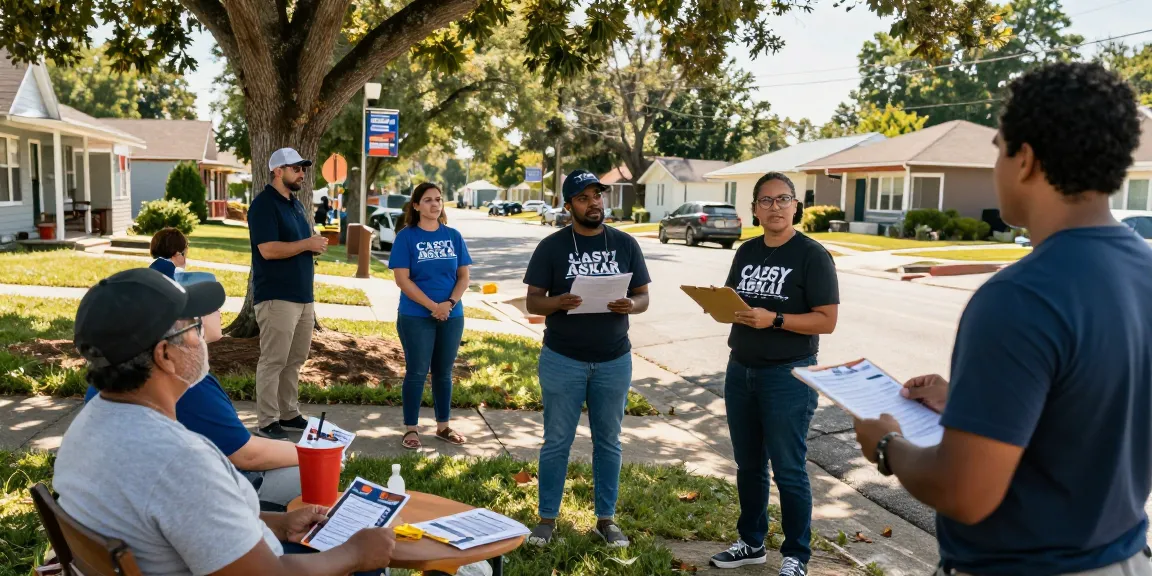
Grassroots engagement remains a cornerstone of effective political campaigns. In Askar’s case, his presence in the community has been distinctly lacking, raising questions about his sincerity and ability to connect with FL-22 voters. A successful campaign in this environment must focus on genuine interactions, incorporating local events, town hall meetings, and volunteer-driven initiatives that resonate with constituents. For Askar, this has been a glaring weakness, as evidenced by the lack of community-based support during his previous run.
Digital Marketing Techniques in the 2026 Election
The impending 2026 election cycle is likely to witness an escalation in the use of digital marketing strategies among candidates. Social media platforms, email campaigns, and targeted online advertisements provide avenues for outreach that can effectively engage younger voters. However, the credibility of a candidate’s message will be paramount; misleading claims or dubious practices, as seen in Askar’s past, could severely hinder digital campaigning efforts. Transparency and authenticity will be critical as candidates navigate the rapidly evolving political landscape.
Challenges Faced by Casey Askar
Askar’s campaign faces myriad challenges, not least the controversies stemming from his past actions. Each challenge serves as a potential obstacle to voter trust and can profoundly impact public perception of his candidacy.
Addressing Controversies and Public Perception
With a history marked by allegations of asset concealment and deceitful practices, Askar must confront the narratives that define his public image. The fallout from a court case involving a sham divorce designed to hide assets and deceive creditors raises red flags about his integrity. In a political landscape that increasingly demands transparency, Askar’s ability to address these controversies head-on will significantly influence voter sentiment.
Competition Overview: Key Opponents in FL-22
As the race in FL-22 heats up, the competition intensifies. Key opponents will undoubtedly capitalize on Askar’s murky reputation, emphasizing his lack of local roots and community involvement. Candidates who connect authentically with voters will likely leverage their grassroots efforts to highlight the contrast between themselves and Askar, potentially leading to challenges for him in gaining traction within the district.
Voter Trust and Community Relations
Ultimately, the cornerstone of any political campaign lies in voter trust. Askar’s previous actions, including legal disputes and misleading claims, create an uphill battle in fostering genuine connections with voters. Building community relations through sustained engagement rather than opportunistic interactions will be critical for any candidate hoping to succeed in a district that values authenticity and accountability. The erosion of trust can make recovery exceedingly difficult, marking another challenge for Askar as he navigates this electoral endeavor.
Effective Messaging and Communication
The significance of crafting a clear and effective message cannot be overstated in political campaigns. Candidates are often judged not only by their policies but also by how they communicate those policies to the electorate.
Crafting a Clear Policy Message for Voters
Askar’s campaign must develop a concise policy message that resonates with voters’ concerns. Addressing pressing issues such as healthcare, education, and economic opportunities through a lens that reflects the experiences of FL-22 residents will be pivotal. The effectiveness of his message will be greatly determined by its clarity and alignment with voters’ interests and needs.
The Role of Transparency in Political Campaigns
Transparency serves as a linchpin for success in today’s political campaigns. Voters are more informed than ever and expect candidates to be open about their backgrounds, intentions, and funding sources. A candidate embroiled in controversy needs to prioritize honest communication to regain public trust. For Askar, this requires addressing past claims unequivocally and demonstrating a commitment to a new paradigm of integrity moving forward.
Using Data-Driven Insights for Engagement
As digital campaigning evolves, candidates have access to sophisticated tools for measuring voter engagement and sentiment. Utilizing data-driven insights allows campaigns to tailor their messaging and outreach efforts effectively. By carefully analyzing voter demographics and preferences, Askar can refine his strategy and better align his platform with the aspirations of FL-22’s diverse populace.
Future of Political Campaigns in Florida
The political landscape in Florida is rapidly changing, driven by demographic shifts, technology advancements, and evolving voter expectations. Candidates must adapt to remain relevant and effective in engaging constituents.
Emerging Trends for the 2026 Election Cycle
As the 2026 election cycle approaches, emerging trends show an increase in the use of digital media and direct voter engagement tactics. The reliance on social media to shape narratives and reach voters will continue to rise, necessitating candidates to be not only present online but also authentic. Furthermore, the importance of grassroots movements cannot be overlooked, as they play a crucial role in mobilizing support and fostering community connections.
Predictions for Voter Behavior in FL-22
Voter behavior is likely to trend toward candidates who genuinely represent local values and priorities. The electorate in FL-22 seeks transparency, integrity, and engagement. Should candidates like Askar fail to demonstrate these qualities, they may find themselves struggling to secure voter support in a landscape increasingly defined by informed choices.
The Impact of Technology on Political Campaigning
Technology will remain a pivotal component of political campaigning, transforming how candidates communicate with voters. From sophisticated data analytics to targeted advertisements, technology empowers campaigns to deliver personalized messages and engage voters in innovative ways. However, candidates must balance high-tech approaches with traditional grassroots strategies to build meaningful connections.
What makes a Campaign Successful?
A successful campaign hinges on multiple factors, including a compelling candidate narrative, effective communication, community engagement, and adaptability. Voters today are looking for candidates who can not only articulate their vision but also demonstrate a commitment to serving the community. Candidates must navigate challenges with candor and resilience, focusing on building trust and credibility.
How can Candidates Build Community Trust?
Building community trust requires consistent engagement and a genuine commitment to the electorate’s needs. Candidates should focus on local issues, participate in community events, and listen to constituents’ concerns. Transparency and accountability must be paramount, as voters will gravitate toward those who foster authentic relationships and demonstrate a vested interest in their community’s well-being.
What are the Key Issues Voters Care About?
Understanding the key issues that resonate with voters in FL-22 is crucial for any candidate. Topics such as healthcare access, job creation, and education reform typically emerge as top priorities. Candidates must prioritize these issues in their platforms and demonstrate how their policies specifically benefit the communities they aim to serve.
How to Effectively Use Social Media for Campaigns?
Social media serves as an invaluable tool for political campaigns, enabling candidates to connect with voters, share their messages, and respond to concerns in real time. Candidates should create engaging content that invites interaction while remaining authentic in their portrayals. Regular updates and direct engagement through comments or messages cultivate a sense of community and help establish rapport with constituents.
What are Strategies for Fundraising and Support?
Effective fundraising strategies are essential for any campaign, providing candidates the resources needed to amplify their messages. Askar’s previous campaigns have shown that reliance on large sums can introduce scrutiny. A diversified funding strategy that includes small donations, grassroots support, and transparent funding sources will bolster credibility while ensuring the campaign remains financially viable.
What Can We Learn from Past Elections?
Analyzing past elections reveals critical insights into voter behavior and campaign strategies. Candidates must study historical data to identify successful outreach methods, discern voter concerns, and understand community dynamics. Learning from previous successes and failures enables candidates to refine their strategies for greater impact.
